

To stop oxidation on a fiberglass boat, you need to remove the existing chalky layer, restore the gelcoat, and then seal it with a protective coating so UV and saltwater can't break it down again. Oxidation is the dull, chalky film that forms when sunlight and the elements degrade the top layer of gelcoat — and once it starts, it only spreads until you stop it. The fix is part correction, part protection, and the protection is what actually keeps it from coming back.
What causes oxidation on a fiberglass boat?
Gelcoat is essentially a pigmented resin surface, and it's porous. Constant sun, heat, salt, and moisture slowly break down that top layer, leaving behind a dull, chalky, faded finish. You'll usually see it first on horizontal surfaces and the sides that catch the most sun.
The main drivers:
- UV exposure — the number one cause, breaking down the resin over time.
- Saltwater and minerals that dry on the surface and accelerate degradation.
- Lack of protection — bare or neglected gelcoat oxidizes far faster than sealed gelcoat.
- Storing wet or uncovered in direct sun between outings.
How to remove oxidation from gelcoat (step by step)
- Wash the hull first. Strip off salt, grime, and loose chalk with a marine-safe, pH-balanced soap like Undrdog Soap so you're correcting clean gelcoat, not grinding dirt into it.
- Decontaminate staining. Rust and fallout streaks near hardware and the waterline are iron deposits, not oxidation. An iron remover like The Purps dissolves them on contact — it turns purple as it reacts, so no hard scrubbing.
- Assess the severity. Light oxidation feels lightly chalky; heavy oxidation is dull, white, and rubs off on your hand. The worse it is, the more aggressive your compounding needs to be.
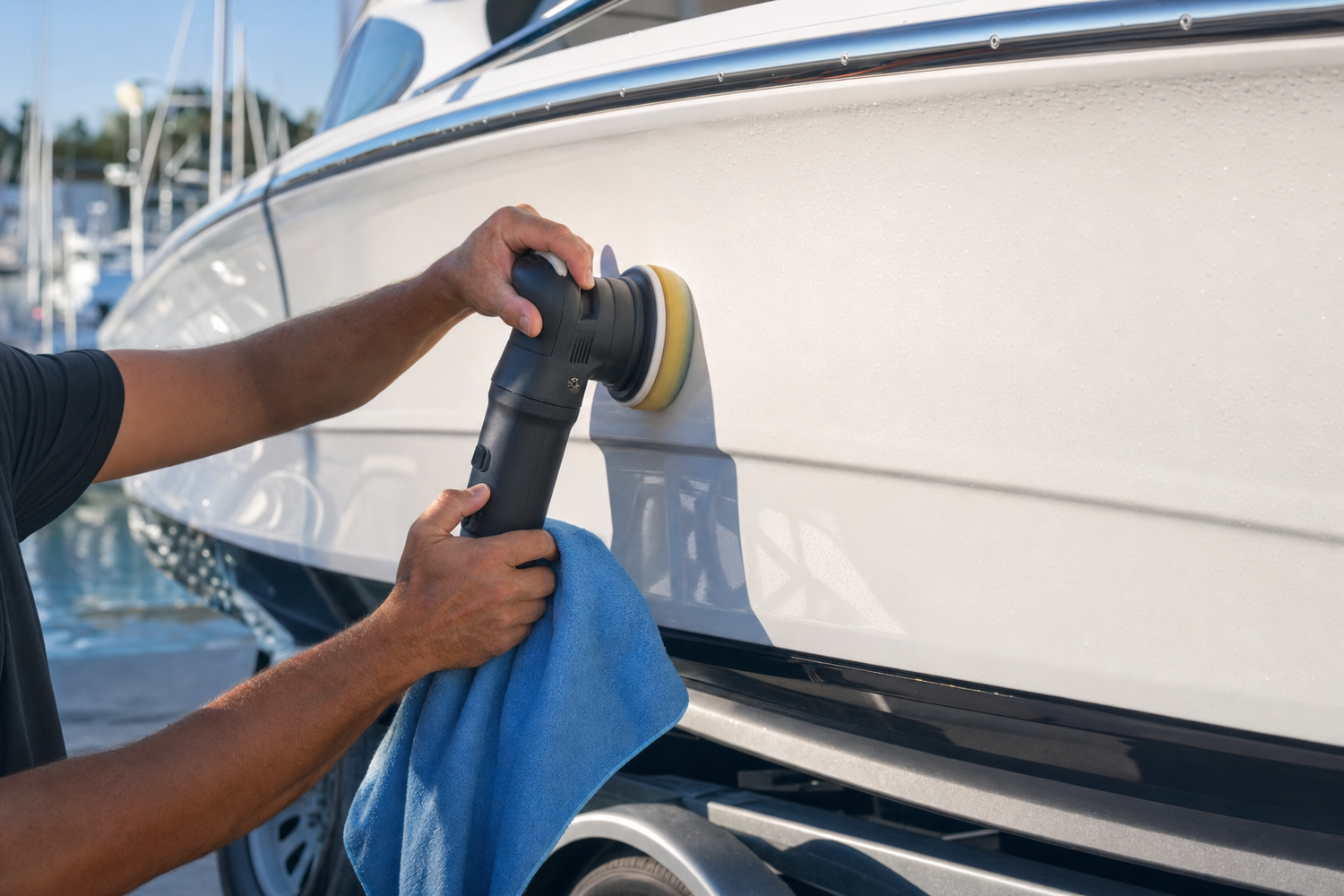
- Compound the oxidation away. Use a marine rubbing compound with a buffer (or by hand on small areas). Work in sections until the chalk is gone and the original color and gloss return.
- Polish to refine. Follow with a lighter polish to remove compound haze and bring back a deep, glossy finish.
- Wipe down. Remove all polishing oils and dust so the surface is clean and dry before sealing.
How do you keep oxidation from coming back?
This is the step most people skip — and it's why their boat oxidizes again within a season. Compounding only removes the damage; it doesn't protect the fresh gelcoat you just exposed. Bare gelcoat starts oxidizing again the moment it's back in the sun. The fix is sealing it with a hydrophobic protective coating that blocks UV and keeps water and minerals from clinging.
Here's how the Undrdog marine lineup stacks up for protection:
- Undrdog Marine — dependable gelcoat protection built for constant water exposure, salt, and UV.
- Undrdog Marine Plus — the step up, with added durability and gloss for saltwater boats and heavy seasonal use.
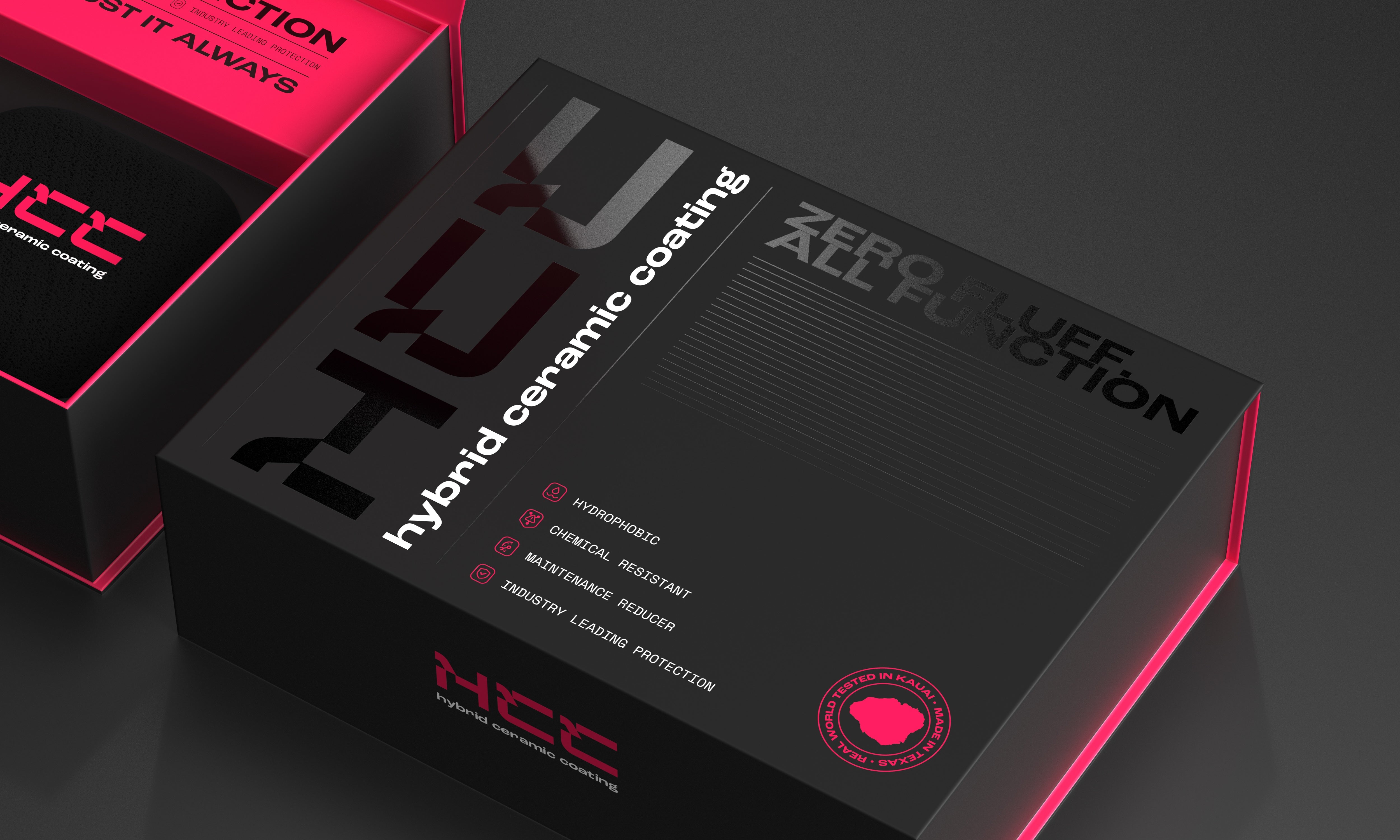
- Undrdog HCC (Hybrid Ceramic Coating) — our top-tier coating for boats and cars alike. It's the most durable, longest-lasting protection we make, professional-grade yet still DIY-friendly. If you want the strongest defense against oxidation on your hull, start here.
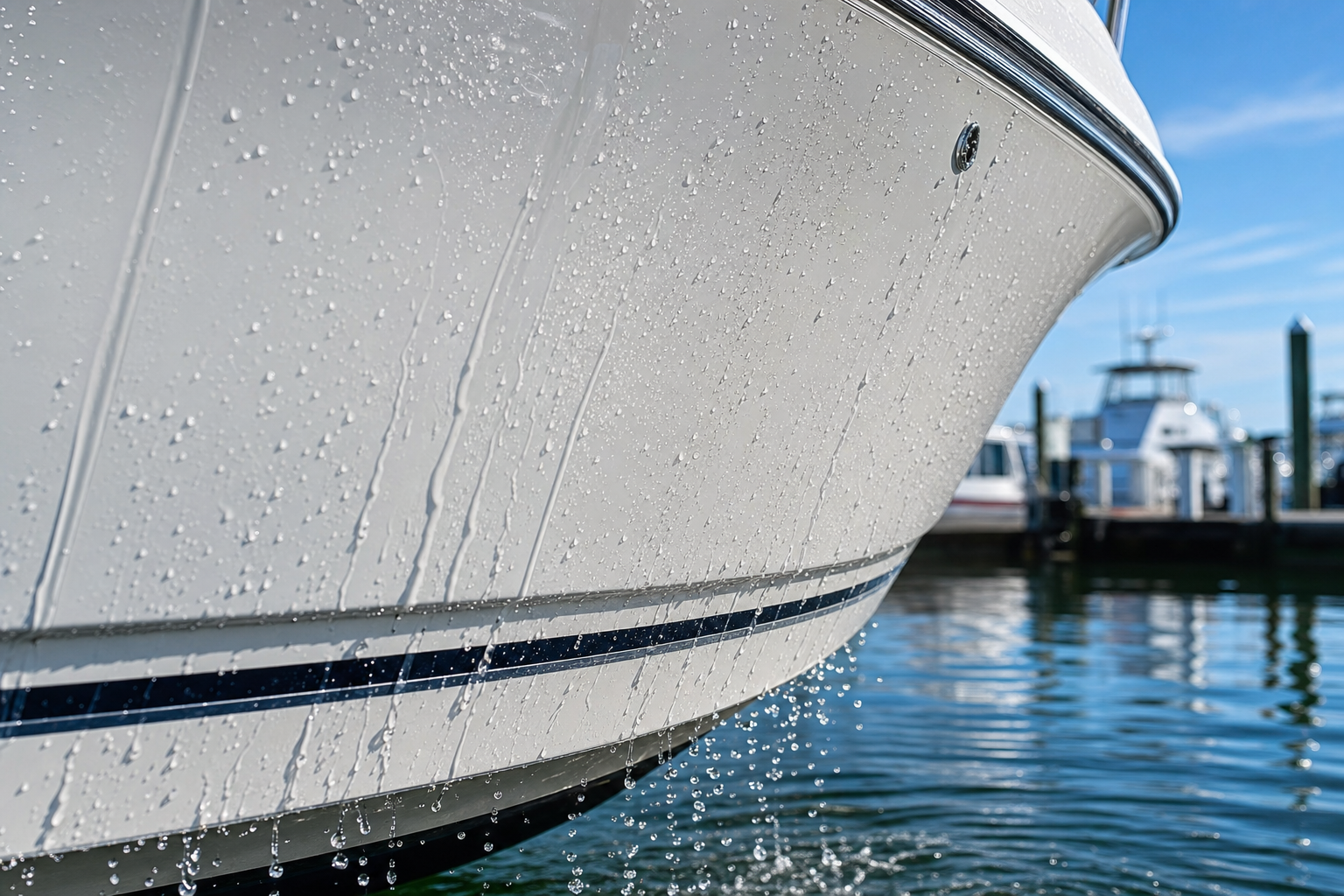
Whichever you choose, the coating makes water bead and sheet off, blocks the UV that drives oxidation, and makes every washdown faster.
How to keep gelcoat looking new
- Rinse with fresh water and dry after every outing so salt and minerals don't sit on the surface.
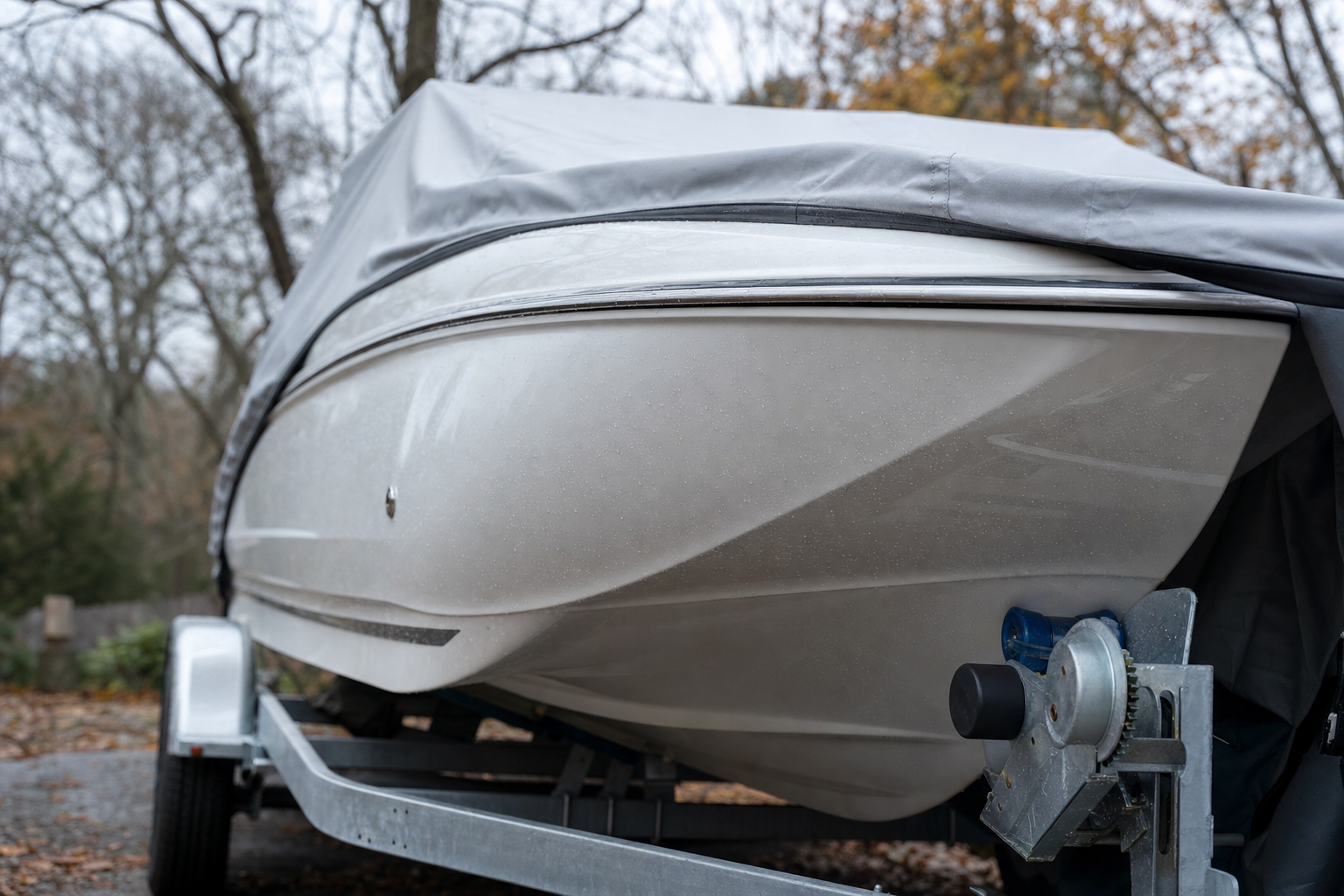
- Don't store the boat wet in direct sun longer than you have to; cover it when you can.
- Wash with a marine-safe, pH-balanced soap that won't strip your coating.
- Refresh hydrophobic performance with a maintenance top-up product between deeper cleans.
Frequently asked questions
Can you fix an oxidized fiberglass boat?
Yes. Light to moderate oxidation compounds and polishes right out, restoring the original color and gloss. Heavy, deep oxidation takes more aggressive correction but is usually recoverable — then you seal it so it doesn't return.
What's the difference between oxidation and water spots?
Oxidation is a chalky, faded breakdown of the gelcoat surface from UV and the elements. Water spots are hard mineral deposits left when water dries on the surface. Different causes, different fixes — but a coating helps prevent both.
Will a ceramic coating stop oxidation?
It dramatically slows it. A coating blocks the UV and moisture that cause oxidation and seals the porous gelcoat. Our top-tier HCC offers the strongest, longest-lasting protection, with Marine and Marine Plus as excellent dedicated marine options.
How often should I reseal my boat?
It depends on use and water conditions, but a quality marine coating lasts a full season or more. Maintain it with proper washing and a periodic top-up to extend the protection.
Stop fighting chalky, faded gelcoat every season. Correct it once, then seal it with a marine coating or our top-tier HCC from Undrdog and keep your hull glossy for the long haul.

Leave a comment
This site is protected by hCaptcha and the hCaptcha Privacy Policy and Terms of Service apply.