To clean clear vinyl boat windows, identify the enclosure material first, rinse away loose salt and dirt with fresh water, then use the cleaner and soft cloth specified by that material's manufacturer. For Strataglass specifically, the manufacturer calls for freshwater rinsing after every outing and its approved cleaner and polish, not a generic glass-cleaning or hull-wax routine (Strataglass care instructions). If the panel stays cloudy after approved cleaning, stop and assess it rather than reaching for stronger chemicals or a machine polisher.
The practical goal is a clear view without turning routine maintenance into an experiment. This guide covers flexible clear enclosure panels, with a specifically labeled Strataglass example; it does not prescribe one chemical recipe for every transparent surface on a boat.
Identify the window material before choosing a cleaner
Start with the enclosure invoice, material label, boat documentation, or the canvas shop that made the panels. Write down the manufacturer and product name, and ask whether the surface has a factory coating with its own maintenance requirements. A description such as “plastic window” is not enough to select a cleaner confidently.
Keep actual glass, rigid plastic windows, flexible clear vinyl, and upholstered vinyl seats in separate categories on your work list. Do not use the word “vinyl” on a seat-cleaner label as permission to treat a transparent enclosure. Likewise, a product sold for glass should not become your default simply because you can see through the panel.
Strataglass describes its VueShield surface as a scratch-resistant coating and specifically excludes cleaners, polishes, and scratch removers designed for commercial-grade vinyl or plastic from its recommended care system (manufacturer's material-specific restrictions). That is why identification comes before product selection, even when two panels look similar.
What you have
What to check
What not to transfer automatically
Confirmed Strataglass enclosure
Its current approved cleaner, polish, and handling instructions
A generic plastic-polishing or car-wax routine
Another clear-vinyl enclosure
The exact material maker's care sheet and fabricator's advice
Strataglass product approvals or maintenance intervals
Rigid transparent window or actual glass
Material identification and any surface-treatment restrictions
Instructions written for flexible clear vinyl
Unknown or replacement panel
Identification from the installer, invoice, or manufacturer
A chemical treatment based only on appearance
If identification is uncertain, make that the next job. Send the fabricator an overall photograph, a close-up of any markings, and the installation date if known. Ask for the written care instructions rather than relying on a remembered product color or an unlabeled bottle left aboard.
Set up a dedicated clear-window cleaning kit
Gather fresh water, the approved cleaner, clean soft cloths, and any protective equipment required by the cleaner's label. Arrange safe access to both sides without standing on unstable seating or leaning beyond a secure working position. Move unrelated hull-cleaning and polishing supplies out of the immediate work area.
Reserve separate cloths for the windows. Inspect each one before use, and set it aside if it contains grit, hardened residue, or contamination from another task. The useful distinction is not simply “microfiber versus cotton”; it is whether the cloth is clean, suitable for this material, and being used according to the care instructions.
For Strataglass, the manufacturer permits a soft cotton or microfiber cloth for cleaning and a high-quality chamois or microfiber towel for gentle drying after rinsing (approved cloth and drying guidance). Choose tools within those instructions rather than assuming a highly textured scrub pad or stiff brush is an acceptable shortcut.
Keep clean, soft cloths separate from hull and hardware tools. This Undrdog towel photograph illustrates cloth organization, not a certification for any particular enclosure material.
Make the kit easy to recognize for anyone helping aboard. Label the storage bag with the panel material and keep the care sheet with the approved products. A simple system is more useful than a large collection of cleaners whose intended surfaces nobody can remember.
Rinse loose salt and dirt before wiping
For Strataglass curtains, rinse thoroughly with clean fresh water after every outing to remove salt and environmental particles; the manufacturer then permits air drying or gentle towel drying (after-outing rinse instructions). This rinse is a separate task from the periodic cleaner-and-polish routine.
Use a controlled flow that lets you see where the water is going. Work around nearby seams, closures, electronics, and interior areas without turning a surface rinse into a test of how much water the enclosure can keep out. This guide does not prescribe a pressure-washer setting or authorize directing a concentrated jet at the panels.
Inspect before bringing a cloth to the surface. If loose contamination remains, address it through the approved process instead of increasing wiping pressure. Do not use a dry cloth as the first step on a visibly dirty window merely because only one small area seems affected.
When cleaning surrounding hardware as part of the same visit, keep those supplies and runoff separate. Our boat stainless-steel cleaning guide covers that different job; it is not a cleaner-compatibility guide for clear windows. Finish one material-specific task deliberately before moving to the next.
Clean both sides using the material maker's method
Once loose deposits are removed, follow the cleaner's instructions rather than improvising dilution, dwell time, or a polishing step. Work a manageable section and keep track of which side you have cleaned. That makes it easier to tell whether a remaining mark is on the inner surface, outer surface, or still unresolved.
For Strataglass, spray Strataglass Protective Cleaner onto the inside and outside surfaces or onto a soft cotton or microfiber cloth, wipe gently, and buff dry with a clean cloth if needed (Strataglass cleaning method). Its stated routine interval is every one to two weeks, with the approved cleaner kept aboard for prompt removal of harmful liquids, creams, chemicals, or sprays (routine and spot-cleaning guidance).
That interval belongs to this named material and maintenance system. Do not treat it as an instruction to leave a spill in place until the next calendar date, or as a universal schedule for another manufacturer's enclosure.
After cleaning, inspect from a normal viewing position in useful light. Record any persistent haze, discrete scratches, discoloration, or damaged edges. If another person will finish the job, tell them what was used and where the concern remains so they do not unknowingly repeat the work with an incompatible product.
Keep protective polishing separate from scratch removal
Strataglass recommends its approved Protective Polish every one to two months, applied to clean, completely dry panels on both sides using a light coat and small, gentle circular motions; after a brief drying period, it calls for light buffing with a clean cotton or microfiber cloth (protective polishing instructions). This is the manufacturer's maintenance procedure, not permission to substitute a cutting compound.
Do not interpret the word “polish” as a command to remove material until every imperfection disappears. Before using any product sold as a restoration treatment, ask the panel manufacturer whether it is approved for the exact material and condition. Keep a machine polisher, aggressive scratch-removal process, or heat treatment out of a routine owner-cleaning session unless a qualified provider has established an appropriate repair procedure.
If a panel remains cloudy, cleaning alone has not established the cause. Photograph the condition after the approved wash and drying steps, document the products already used, and ask the fabricator to assess it. Do not promise yourself a restoration result before anyone has identified the problem.
Tears, cracking, or impaired visibility deserve a repair or replacement decision, not a cosmetic experiment. If the view needed to operate the boat safely is compromised, resolve that before using the boat. A panel looking better while wet is not the same as a satisfactory inspection in its normal service condition.
Handle enclosure panels without improvising storage
Strataglass says new clear vinyl is soft and easily marked, and recommends leaving new panels installed and securely fastened as much as possible while they stabilize (new-panel handling guidance). If those curtains must be removed and stacked, it specifies soft fabric between panels; it also advises closing and fastening the enclosure when the boat is not in use (stacking and fastening instructions).
For another material, obtain its storage directions rather than assuming the same folding, rolling, or stacking method applies. Check the fabricator's guidance for the complete enclosure, including its seams and closures. Avoid forcing a panel into a position simply because it fitted that way on a different boat.
Before handing the boat to a storage provider, identify who will remove, move, or reinstall the panels. Give that person the care instructions and point out any existing damage. Keep a few dated photographs with your maintenance notes so that a later inspection has a useful starting point.
Window-panel handling is only one part of lay-up. Use our ceramic-coated boat storage checklist for the separate exterior wash, inspection, and cover handoff. Neither guide substitutes for the boat's mechanical winterization or other service requirements.
Avoid turning hull products into window products
Strataglass specifically prohibits car wax and wash-and-wax products, along with several named household and automotive cleaners, and states that non-approved cleaners or protectants can damage the material and void its warranty (cleaner and protectant restrictions). Read that as a material-specific boundary, not a challenge to find a different unapproved product that sounds gentler.
For clear enclosure panels, this guide does not recommend a glass cleaner, water-spot acid, seat cleaner, hull compound, or ceramic coating. A product's usefulness elsewhere on a boat is not enough evidence for this application. If you cannot confirm approval, do not conduct the compatibility test on your installed window.
Official Undrdog photograph of coating supplies on a boat. These are shown to distinguish a separate surface-protection project from clear-vinyl window cleaning, not as a window-treatment recommendation.
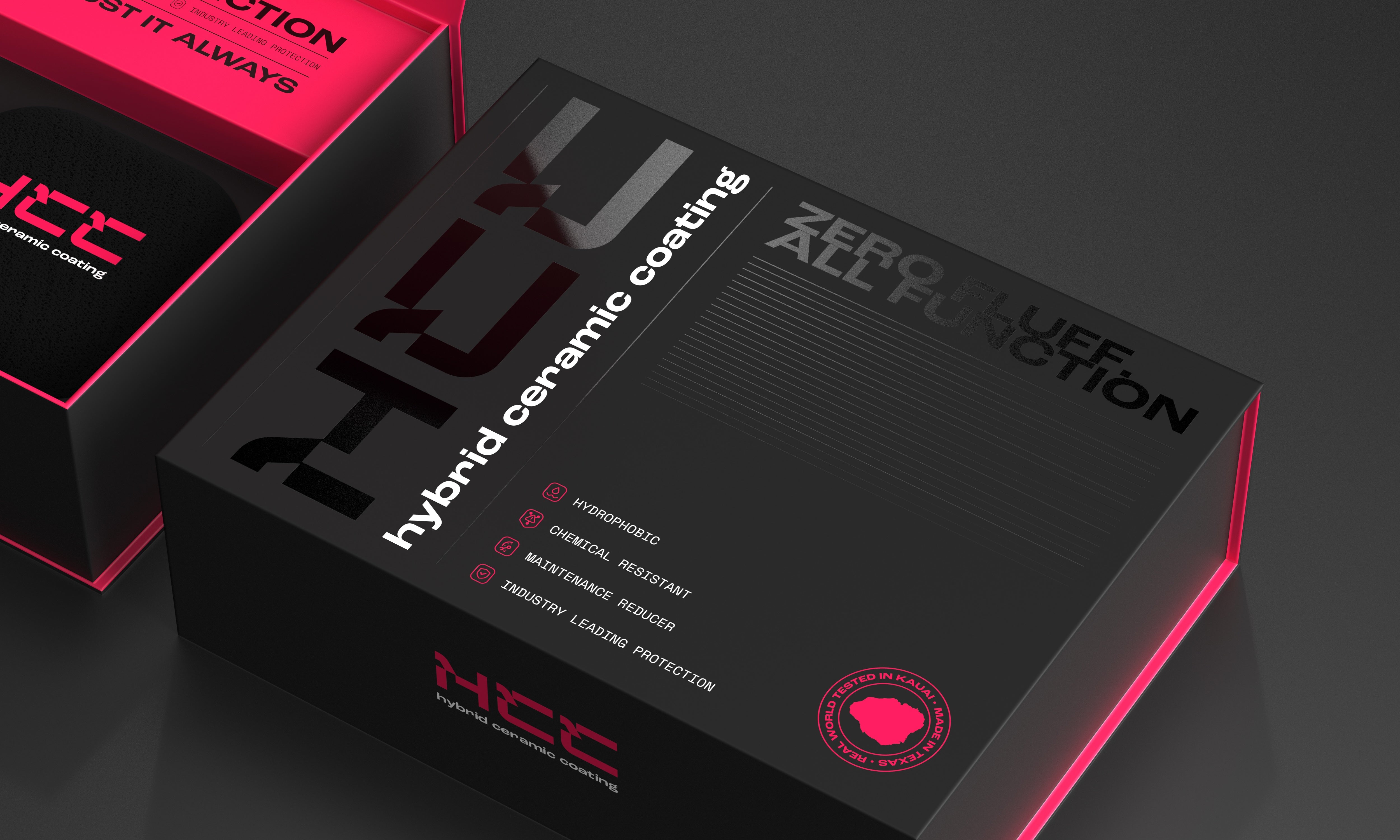
For a separate coating project on suitable boat paint or gelcoat, start by reviewing HCC, Undrdog's all-surface flagship for cars, boats, planes, and bicycles. Confirm the exact substrate, preparation, current application instructions, and safety precautions before choosing it; this recommendation does not extend to the clear-vinyl panels discussed here. Keep the enclosure cleaning kit and the coating kit separate.
The sensible end point is simple: correctly identified material, approved cleaning completed, remaining defects documented, and no unresolved product guesses. You do not need to add a protective treatment to every transparent surface to call the maintenance visit complete.
Frequently asked questions
Can I use ordinary glass cleaner on clear vinyl boat windows?
Do not assume so. Use the cleaner approved for the exact panel material; Strataglass explicitly prohibits several common household and automotive cleaners in its care instructions. A glass-cleaning label is not approval for a flexible clear-vinyl enclosure.
How often should I rinse Strataglass windows?
Strataglass calls for a thorough clean-freshwater rinse after every outing to remove salt and environmental particles, followed by air drying or gentle drying with an appropriate cloth (manufacturer's rinse schedule). Keep that separate from periodic cleaning and polishing.
Is microfiber suitable for cleaning clear vinyl?
Check the material maker's directions and the cloth's condition. Strataglass permits soft microfiber for cleaning and gentle drying, but that does not make a gritty or residue-loaded towel suitable for the job (approved cleaning tools). Reserve clean cloths for the windows.
Can I use boat-seat vinyl cleaner on the enclosure?
Not without explicit approval for the enclosure material. Strataglass rejects products designed for commercial-grade vinyl or plastic in its maintenance restrictions. Identify the transparent panel separately from upholstered seating before selecting chemicals.
Will polishing fix cloudy boat windows?
Do not assume it will. First complete the approved cleaning process, inspect the dry panel, and ask the fabricator to assess persistent cloudiness. The protective-polish maintenance step is not a diagnosis or a guarantee that an unidentified defect can be removed.
Can I put HCC or another hull coating on clear vinyl?
This guide does not recommend that application. Keep a suitable paint or gelcoat coating project separate, and obtain explicit approval from the enclosure manufacturer before considering any added window treatment. Do not interpret an all-surface product description as permission to override a panel's specific restrictions.
How should I stack removed Strataglass panels?
Strataglass advises placing soft fabric, such as a bed sheet, between removed panels to prevent impressions, while keeping new panels installed and fastened as much as possible (handling guidance). Consult the fabricator for your complete enclosure and storage arrangement.
What if I cannot identify the window material?
Ask the boat owner, installer, or canvas shop for the material name and written care sheet before choosing a chemical cleaner or polish. Provide photographs and any invoice or label details you have. Guessing based on clarity, flexibility, or the word “plastic” is not a reliable approval process.
Planning protection for the hull, not the windows?
Review HCC for a separate, suitable paint or gelcoat project; continue using your enclosure manufacturer's approved window-care system.





Leave a comment
This site is protected by hCaptcha and the hCaptcha Privacy Policy and Terms of Service apply.