

Water spots are one of the most frustrating things that can happen to a freshly washed car. You rinse, dry, stand back — and there they are. White hazy rings or mineral deposits staring back at you in the sun. The good news: most water spots are removable without damaging your paint. The bad news: attacking them the wrong way can make things significantly worse. Here's the right approach.
What Causes Water Spots on Car Paint
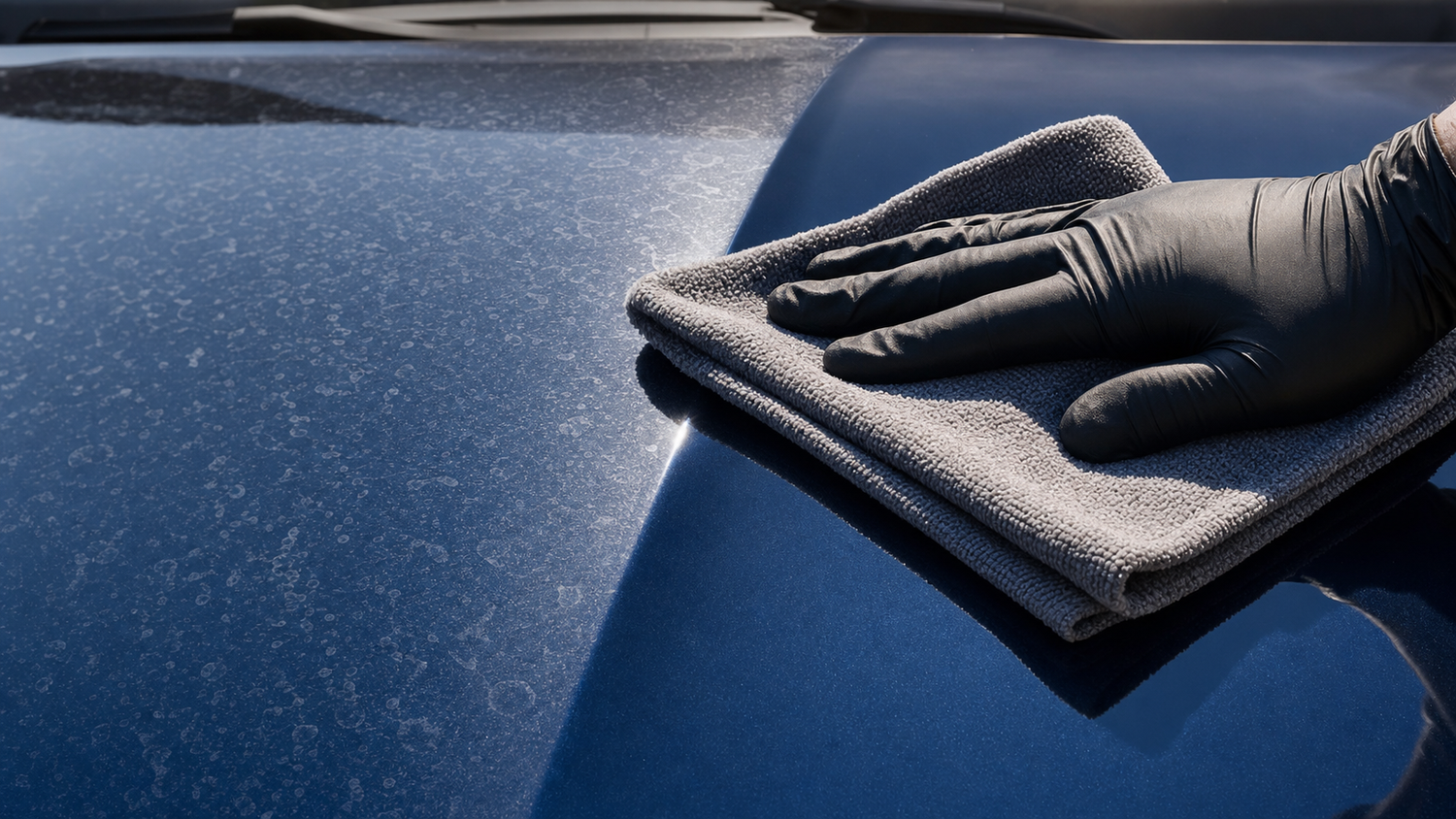
Water spots form when water — from a sprinkler, the hose, rain, or even a car wash — evaporates on your paint and leaves behind the minerals it was carrying. Hard water is especially problematic because it carries high concentrations of calcium and magnesium. As the water evaporates, those minerals are left behind as deposits that bond to the clear coat surface.
Fresh water spots sit on top of the surface and are relatively easy to remove. Left to bake in the sun or repeatedly re-wet and dried, they can etch into the clear coat — at that point, the minerals have chemically bonded to the paint and removal becomes more involved. According to Chemical Guys' detailed removal guide, etched spots require a layered approach rather than a single wipe-down.
Step-by-Step: How to Remove Water Spots Safely
Step 1: Wash the car first. Don't try to spot-treat on a dirty surface. A thorough wash removes loose contamination so your water spot remover can work directly on the mineral deposits. Dry the car fully before treating — a wet surface dilutes the remover and extends the process.
Step 2: Test in a small area. Before treating an entire panel, apply the product to a small inconspicuous spot. This confirms surface compatibility and shows you how the spots respond before you commit to the full panel.
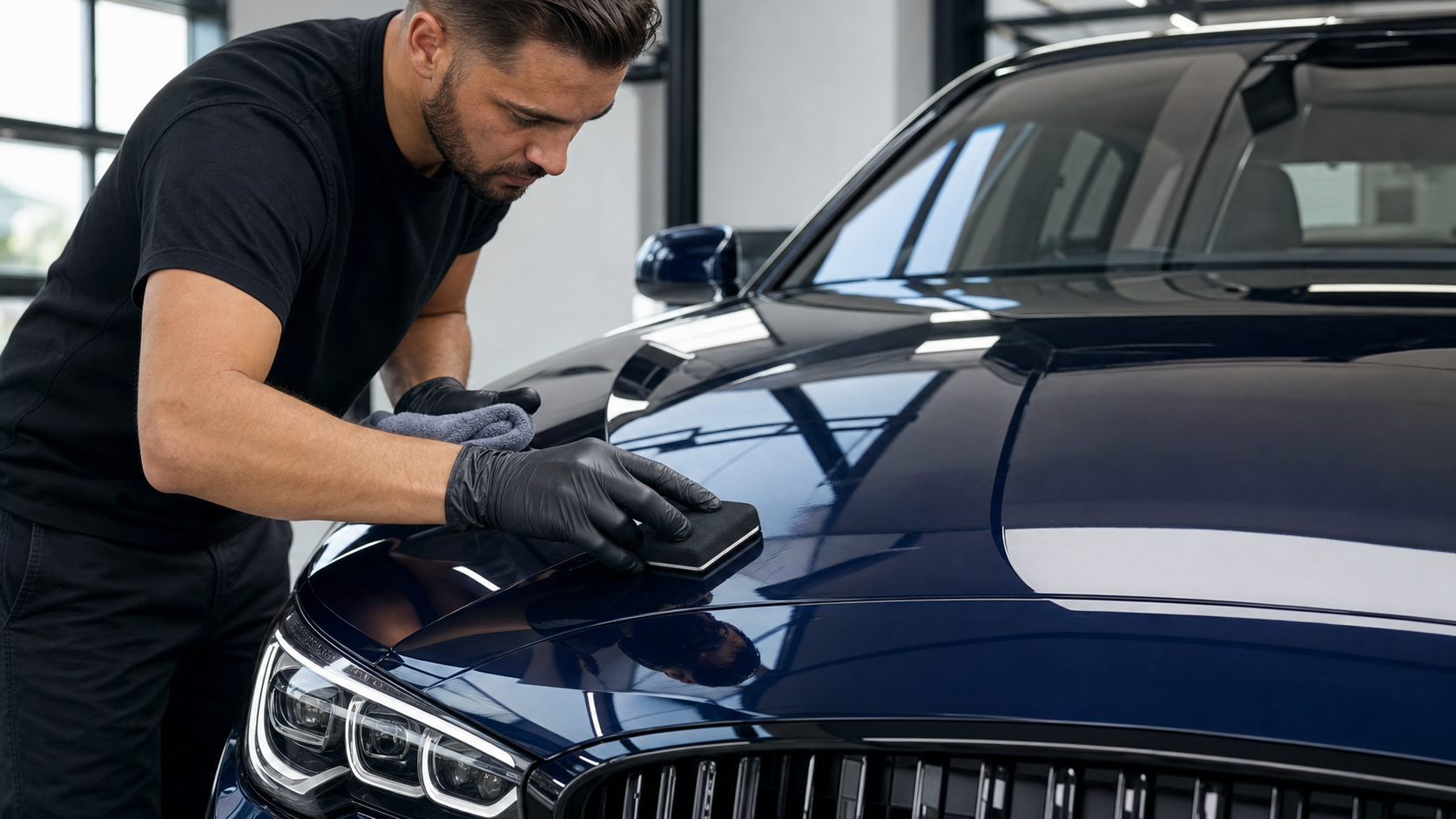
Step 3: Apply a dedicated water spot remover. Do not use household cleaners, vinegar sprays, or generic all-purpose cleaners on your clear coat. Use a formulated automotive water spot remover. Undrdog Water Spot Remover is formulated specifically for automotive surfaces — it dissolves mineral deposits without harsh abrasives that could scratch or dull the clear coat. Work in small sections to keep dwell time controlled.
Step 4: Dwell, don't scrub. Apply the remover and let it sit. The chemistry does the work of breaking down mineral bonds. Avoid letting it dry — if you're working in warm sun, mist the section to keep it wet. Use light pressure with a clean microfiber towel to agitate, not scrub. The goal is to lift, not abrade.

Step 5: Wipe clean and inspect. Remove residue with a fresh microfiber towel. Check under multiple lighting angles — water spots are often invisible from one direction and obvious from another. If spots remain, repeat the treatment. For stubborn etched spots that survive two treatments, a clay bar can help lift the remaining bonded contamination before another pass with the remover.
Step 6: Rinse and dry thoroughly. Once the spots are gone, rinse the treated area and dry completely. This step matters — any lingering minerals from the rinse water can restart the cycle immediately.
What If the Spots Won't Come Off?
Deeply etched water spots that have chemically bonded to the clear coat may require light polishing to fully remove. At that point, you're dealing with paint damage, not surface contamination — and polishing compounds with a machine polisher (or very careful hand polishing) are needed to level the affected clear coat. This is the scenario you want to avoid by catching spots early.
If you regularly deal with hard water spots — from a driveway hose, a nearby sprinkler, or coastal air — the pattern will keep repeating unless you address the surface itself. As Auto Care HQ notes in their protection comparison, ceramic coatings significantly reduce how aggressively minerals bond to paint — giving you a real advantage in spot-prone environments.
How to Prevent Water Spots From Coming Back
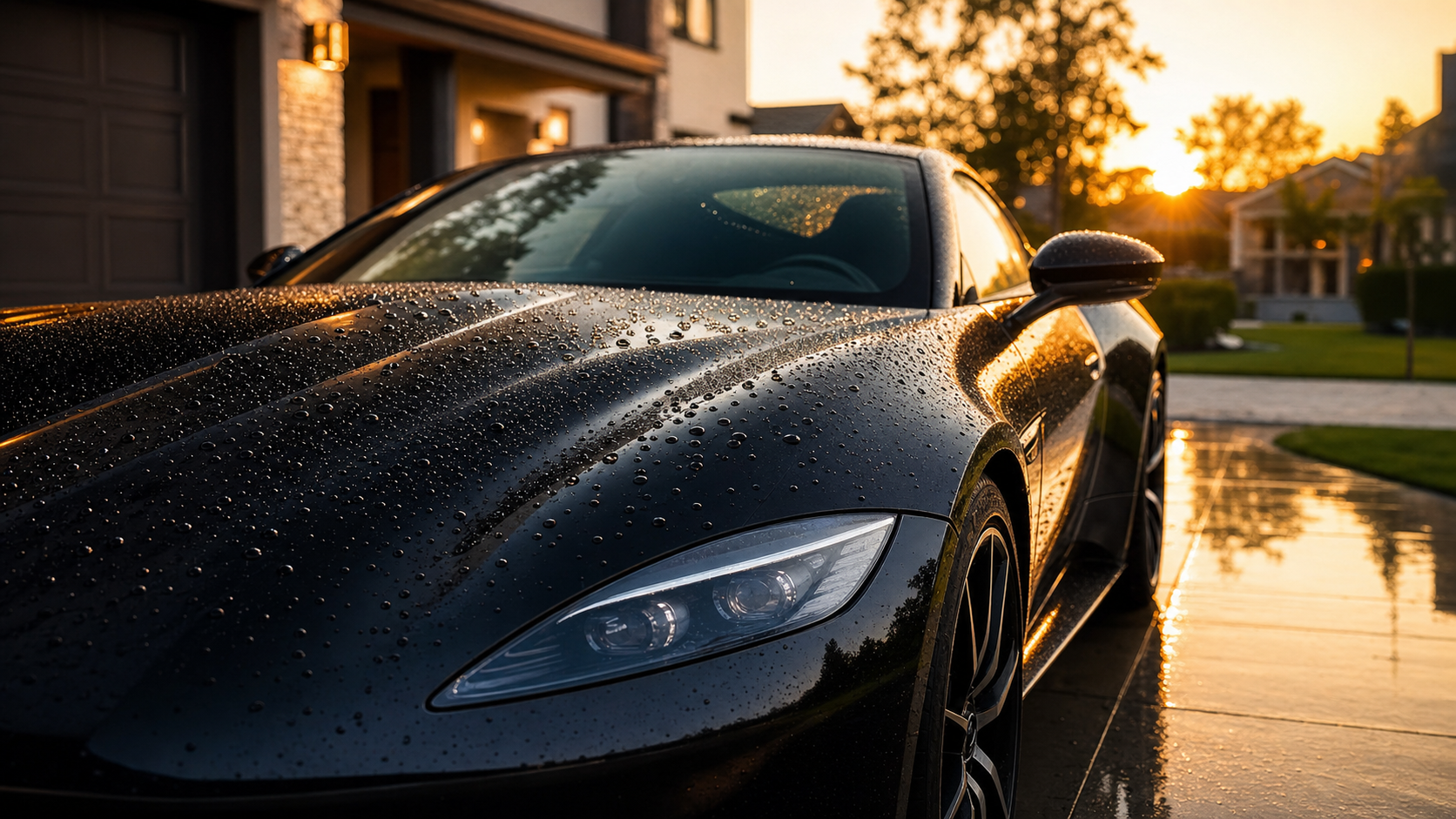
The best long-term defense against water spots isn't a spray bottle — it's surface protection. A ceramic coating creates a hydrophobic layer that causes water to bead aggressively and roll off rather than sitting and evaporating. Minerals can't bond as easily to a ceramic-coated surface as they can to bare or wax-protected paint.
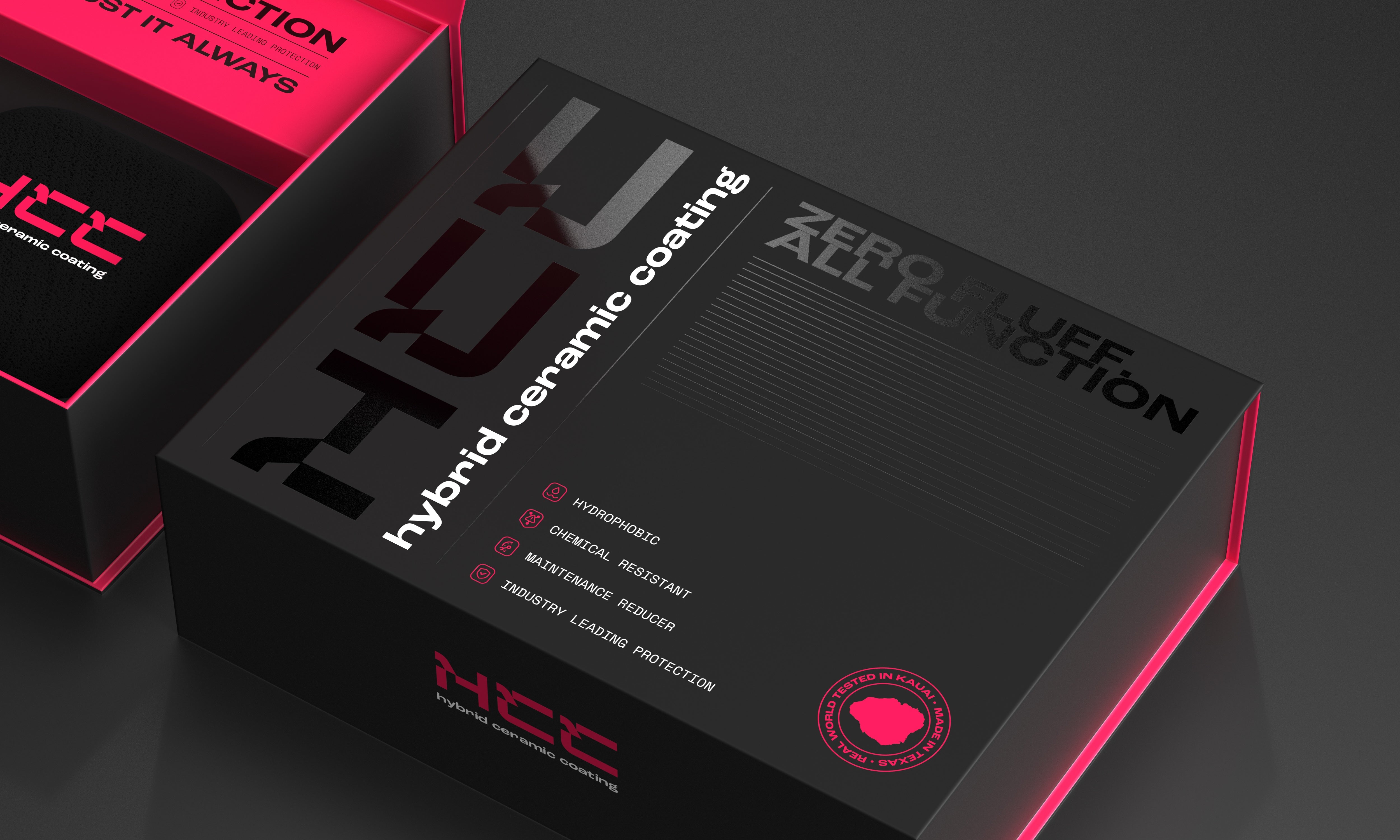
Undrdog HCC – Hybrid Ceramic Coating does exactly this. Applied once, it provides years of protection where water sheets off cleanly, and on the rare occasion a spot forms, it's sitting on top of the coating rather than etching into your clear coat. Between full washes, Undrdog Quick Detail can help you wipe down the surface and maintain that hydrophobic behavior.
Water spots are annoying but manageable. Treat them fast with the right product, and protect your paint properly so they stop being a recurring problem. Grab the Undrdog Water Spot Remover and get your paint looking clean again.
Related Reading
Keep your paint and protection dialed in with these guides from the Undrdog detailing blog:

Leave a comment
This site is protected by hCaptcha and the hCaptcha Privacy Policy and Terms of Service apply.